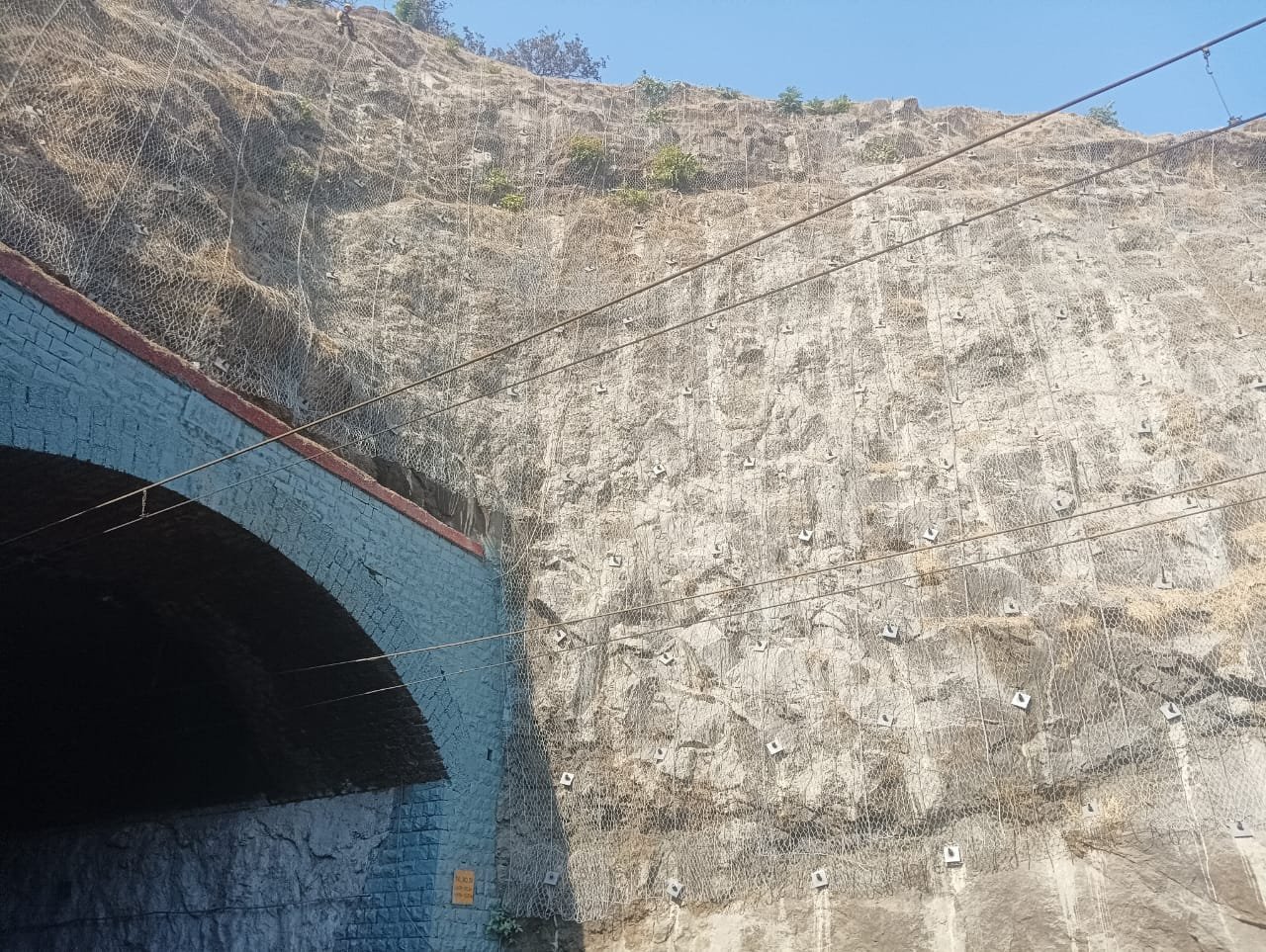
Rock Fall Mitigation Systems
Rockfall Protection involves engineering solutions to mitigate the hazards associated with falling rocks, preventing damage to infrastructure and ensuring public safety. This includes a range of measures, from natural treatments like forests, to engineered structures like barriers and netting. A professional description would encompass the need for thorough analysis, selection of appropriate systems, and ongoing maintenance to ensure effectiveness.
Types of Rock Fall Netting
- Wire Mesh Netting
-
Material:
Galvanized or stainless steel wires with PVC coating for extra durability. -
Structure:
Double-twisted mesh for added strength. - Features:
- Corrosion-resistant with protective coatings.
- Long-lasting, even in harsh environments.
- Ideal for small- to medium-sized rock containment
- Rope Mesh Netting
-
Material:
High-tensile steel cables with wire knot connections. -
Structure:
Flexible yet strong mesh that absorbs impact. - Features:
- High load-bearing capacity — suited for large, heavy rockfall areas.
- Best for steep, rugged terrains where rocks are larger and harder to control.
Advantages and Installation
Advantages
- Slope Stabilization: Holds loose rocks in place, preventing slides.
- Rockfall Barriers: Acts as a shield, catching falling debris before it reaches roads or structures.
- Debris Flow Protection: Helps contain and redirect mudflows and loose materials.
Installation Considerations
- Anchoring: Secure anchors drilled into the rock face to ensure the net stays firmly in place.
- Overlap: Mesh panels must overlap properly to prevent gaps and ensure full coverage.