
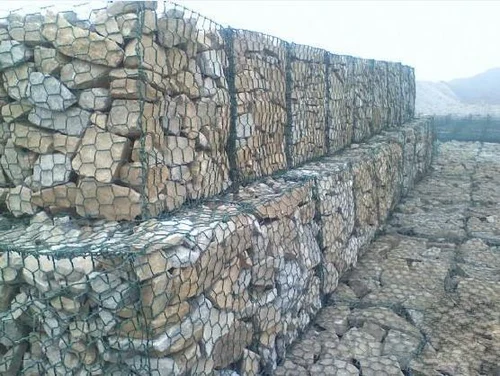
The Ultimate Guide to Gabion Wall Nets: A Fusion of Functionality and Aesthetics
Gabion wall nets have gained immense popularity in modern landscaping, civil engineering, and architectural design. These wire mesh containers, filled with stones or other materials, offer a perfect combination of durability, sustainability, and aesthetic appeal. From preventing soil erosion to creating eye-catching landscape designs, gabion walls have proven their versatility in numerous applications.
In this comprehensive guide, we’ll explore the history, benefits, applications, industry trends, and statistical insights surrounding gabion wall nets. Whether you’re a homeowner, engineer, or architect, this guide will help you understand why gabion walls are becoming a preferred choice in construction and design.
What Are Gabion Wall Nets?
Gabion wall nets are wire mesh containers filled with stones, rocks, or other suitable materials. These structures are stacked together to form walls, retaining structures, or decorative features. The wire mesh is typically made from galvanized steel or PVC-coated steel, ensuring long-lasting durability and resistance to corrosion.
A Brief History of Gabion Walls
The use of gabions dates back centuries, with their earliest applications found in military fortifications. Ancient civilizations, including the Egyptians and Romans, used gabions to reinforce riverbanks and defensive walls. Over time, this simple yet effective construction method evolved into a sustainable and cost-efficient solution for modern infrastructure and landscaping projects.
Why Gabion Wall Nets Are Gaining Popularity
Gabion walls are increasingly favored in construction and landscaping due to their durability, eco-friendliness, and cost-effectiveness. Below are the key reasons behind their growing popularity.
1. Durability and Strength
Gabion walls are known for their exceptional strength and resilience. Unlike traditional concrete walls, they can withstand extreme weather conditions, including:
- Heavy rainfall and flooding
- Earthquakes and ground movements
- High winds and pressure loads
According to a report by Allied Market Research, the global gabion structure market was valued at $3.5 billion in 2022 and is expected to reach $5.2 billion by 2032, growing at a CAGR of 4.2%. The increasing demand for durable construction materials has significantly contributed to this growth.
2. Eco-Friendliness
Sustainability is a major concern in modern construction. Gabion walls contribute to environmental conservation in several ways:
- Reduced Carbon Footprint: They minimize the use of concrete, which is a major contributor to carbon emissions.
- Improved Water Drainage: Unlike solid concrete walls, gabion walls allow water to flow through, preventing waterlogging and promoting groundwater recharge.
- Biodiversity Support: The gaps in the stones create small habitats for plants and wildlife, enhancing biodiversity.
A study by the International Journal of Environmental Science and Technology found that gabion walls reduce soil erosion by up to 90% compared to traditional concrete walls, making them ideal for erosion control projects.
3. Cost-Effectiveness
Gabion walls offer significant cost savings compared to conventional construction methods:
- Locally Sourced Materials: Stones and fillers can be sourced from nearby areas, reducing transportation costs.
- Minimal Labor Requirements: The simple construction process requires fewer workers and specialized machinery.
- Long-Term Savings: With minimal maintenance needs, gabion walls last for decades, reducing repair and replacement costs.
Industry estimates suggest that gabion walls cost 30-40% less than conventional concrete walls, making them an attractive option for budget-conscious projects.
Applications of Gabion Wall Nets
Gabion walls are used across various industries for functional and decorative purposes. Below are some of the most common applications.
1. Retaining Walls
Gabion walls are extensively used for slope stabilization and soil erosion control. Their permeability allows water to drain through, reducing hydrostatic pressure and minimizing landslides.
2. Landscaping and Garden Design
In residential and commercial landscaping, gabion walls are used for:
- Raised flower beds
- Outdoor seating areas
- Decorative features
- Waterfall and pond edging
Their natural appearance blends seamlessly with gardens and outdoor spaces, making them a favorite among landscape architects.
3. Infrastructure Projects
Gabion walls play a crucial role in infrastructure development, including:
- Bridge Abutments: Reinforcing riverbanks and bridge supports.
- Road Embankments: Preventing soil erosion along highways.
- Flood Control Systems: Diverting water flow in flood-prone areas.
4. Noise Barriers
Gabion walls also serve as effective noise barriers along highways and railways. The dense rock filling absorbs sound waves, reducing noise pollution in urban areas.
Industry Trends and Innovations
As the demand for gabion walls grows, new innovations and trends are emerging in the industry.
1. Use of Recycled Materials
Manufacturers are increasingly using recycled materials for gabion mesh and stone fillers. This not only reduces environmental impact but also lowers production costs.
2. Aesthetic Enhancements
Gabion walls are no longer limited to plain stone fillers. Designers are now incorporating:
- Colored stones and glass for a modern look
- LED lighting for nighttime aesthetics
- Custom shapes and patterns for artistic appeal
3. Modular Gabion Systems
Pre-fabricated modular gabion systems are gaining popularity due to their ease of installation and flexibility. These units can be quickly assembled on-site, saving time and labor.
Statistical Insights: The Growing Demand for Gabion Walls
The increasing use of gabion walls is reflected in industry statistics:
- Asia-Pacific leads the market: The region accounts for over 40% of the global gabion market, driven by urbanization in China and India.
- Erosion control applications: Expected to grow at a CAGR of 4.8% from 2023 to 2032, reflecting the need for sustainable environmental solutions.
- Residential landscaping growth: The use of gabion walls in home gardens has increased by 25% in the last five years.
Conclusion: Why Gabion Wall Nets Are Here to Stay
Gabion wall nets are more than just a construction material; they represent a perfect balance of durability, sustainability, and aesthetics. Their ability to withstand harsh environmental conditions, promote biodiversity, and reduce construction costs makes them a preferred choice for a wide range of applications.
As the world shifts towards eco-friendly and cost-efficient solutions, gabion walls are set to become an integral part of modern landscaping and infrastructure development. Whether you’re working on a small garden project or a large-scale civil engineering endeavor, gabion walls offer a solution that is both practical and visually appealing.
So, the next time you see a gabion wall, take a moment to appreciate its ingenuity. It’s not just a wall—it’s a testament to how innovation and nature can work together to create something truly remarkable.
Secure Matrix Gabion wall is one of the most reliable and affordable netting that you can go for. With years of trust placed in us by our customers, be rest assured that your landscape stands protected while having a neat look.
Source: Secure Matrix